


-

Add: HeBei ShengShi HongBang Cellulose Technology CO.,LTD.
-

Email
13180486930@163.com -

CONTACT US
+86 13180486930
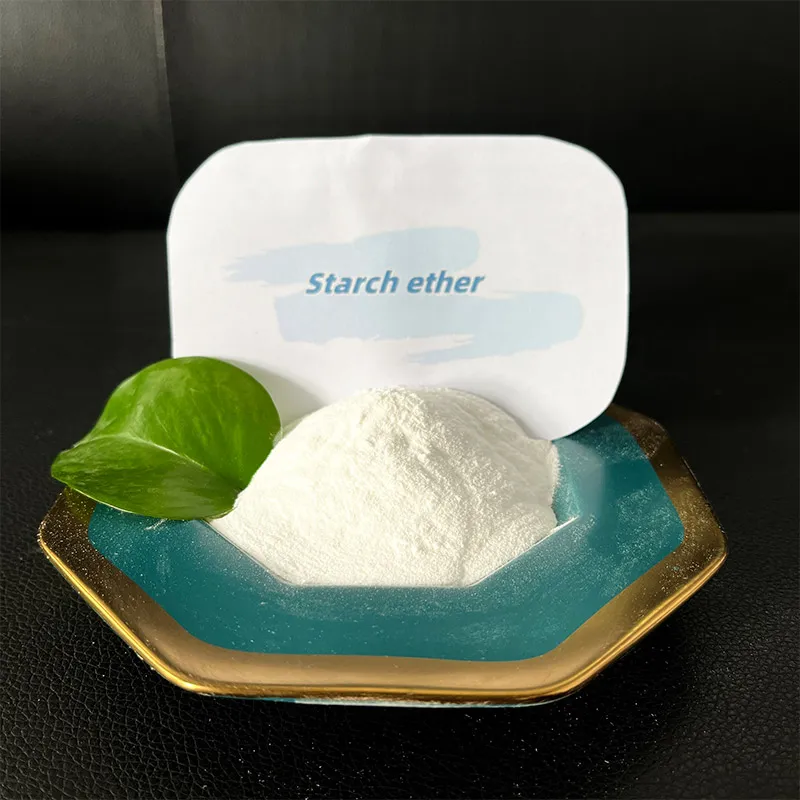

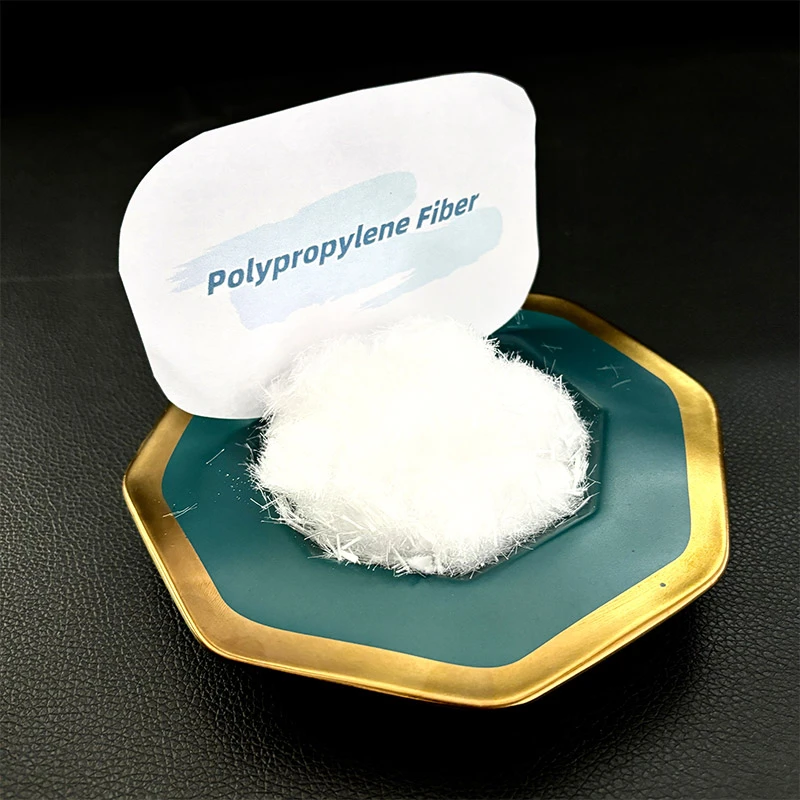


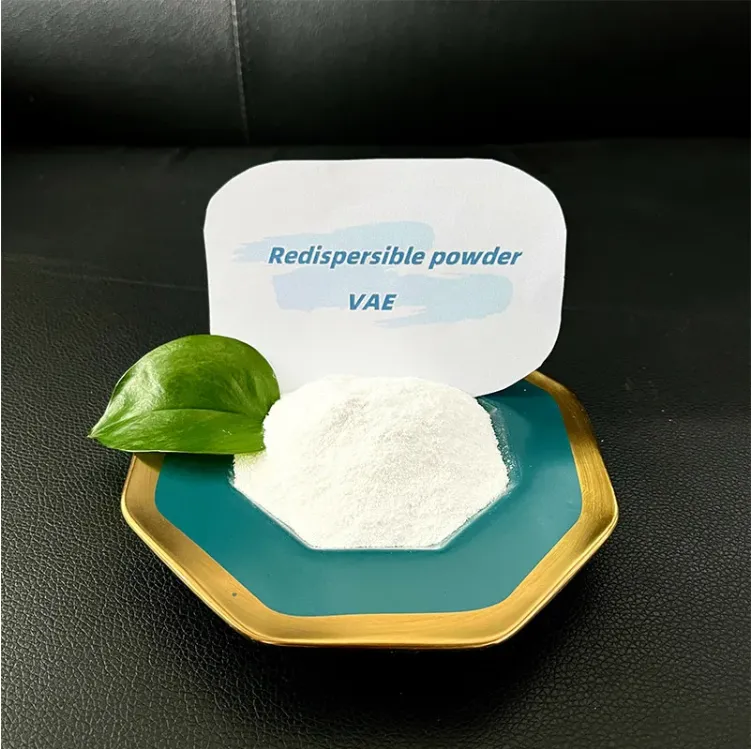


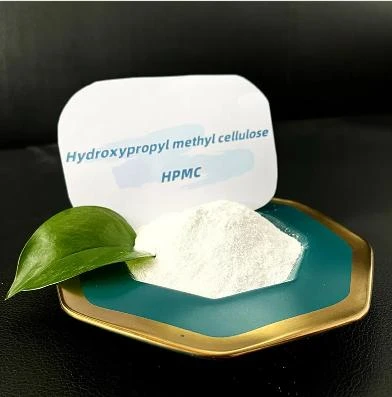
In the realm of construction and architecture, building coating adhesives have become an essential component for enhancing the durability and aesthetics of modern structures. Hydroxypropyl Methylcellulose (HPMC) is a standout among these adhesives, bringing unparalleled benefits to the table. This article delves into the myriad advantages of HPMC as a building coating adhesive, lending insights from real-world applications, expert analyses, authoritative endorsements, and trustworthy usage scenarios. HPMC, a derivative of cellulose, is renowned for its exceptional film-forming properties, water retention, and thickening capabilities. It provides an effective solution in the construction industry, addressing both aesthetic and functional demands. Its versatility in different environments makes it indispensable, not just as a building coating adhesive but as a robust solution for various structural needs. Experience from seasoned construction professionals highlights the ease of use that HPMC provides. Its application results in smooth, even coats that enhance the longevity and visual appeal of surfaces. Contractors and builders often commend its workability, noting that it mixes well and allows for effortless application without compromising the structural integrity of the building materials. From an expert perspective, HPMC stands out due to its chemical properties. It is highly effective in promoting adhesion between dissimilar surfaces, a quality essential for achieving durable coatings. Chemists and materials scientists have studied its molecular structure, affirming its stability and capacity to perform under varying environmental conditions. These professionals emphasize that HPMC does not react adversely with pigments or other additives, ensuring the color and texture of the coatings remain unchanged over time. Endorsements from authoritative construction bodies further solidify the position of HPMC as a reliable building coating adhesive . Leading construction companies have adopted HPMC-based products in their projects, highlighting its widespread acceptance and proven results. These endorsements are rooted in rigorous testing and quality assurance processes that verify the product's efficacy and safety. building coating adhesive hpmc Trustworthiness is a cornerstone of HPMC's reputation within the building sector. Not only has HPMC been a subject of numerous peer-reviewed studies, but it is also compliant with international safety standards, making it a preferred choice for eco-conscious builders. Users have consistently reported its non-toxic nature and minimal environmental impact, traits that align with sustainable construction practices. In practical terms, HPMC’s application spans a range of scenarios. It excels in internal and external wall coatings, offering protection against moisture and environmental wear. Its flexibility accommodates the natural expansion and contraction of building materials, preventing unsightly cracks and enhancing overall structural resilience. For renovation projects, HPMC serves as a reliable adhesive for overlaying existing coatings, simplifying the refurbishment process and reducing costs. Moreover, HPMC’s water retention characteristics ensure that coatings dry evenly, avoiding the pitfalls associated with premature drying, such as surface imperfections and reduced adhesive strength. This feature is particularly beneficial in regions with extreme weather fluctuations, where maintaining consistent application conditions can be challenging. In conclusion, Hydroxypropyl Methylcellulose as a building coating adhesive stands at the forefront of modern construction materials due to its unrivaled combination of experience-based utility, expert-backed chemical properties, authoritative adoption by industry leaders, and a trustworthy track record. As the construction industry continues to evolve, embracing sustainable and efficient solutions like HPMC ensures that buildings are not only structurally sound but also environmentally friendly and visually appealing, marking a significant stride towards the future of construction technology.
- 40000tons

Production
- 20+years

Experience
- 5000+㎡

Acreage

-

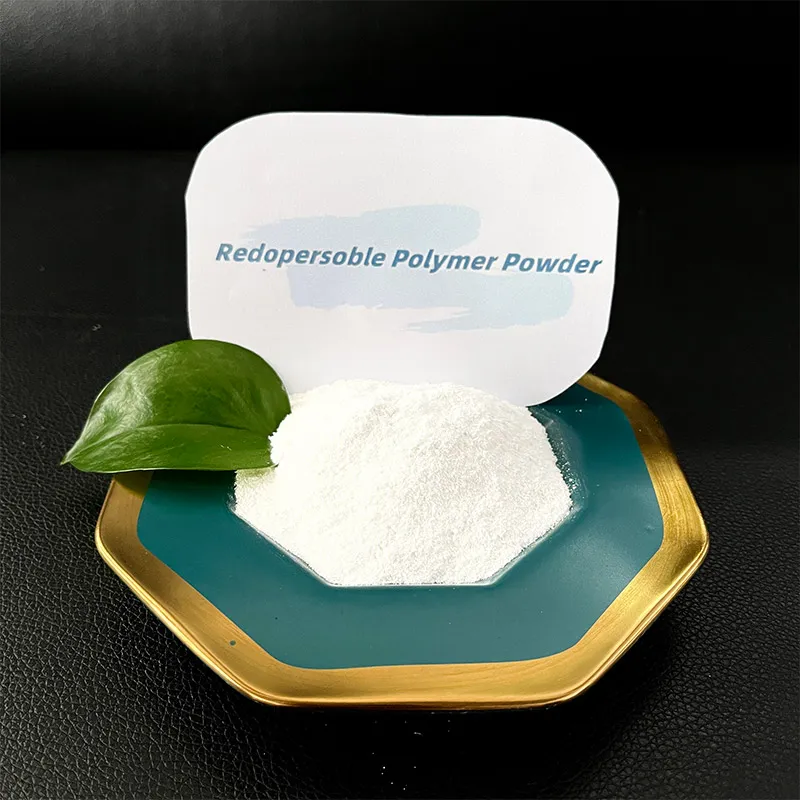
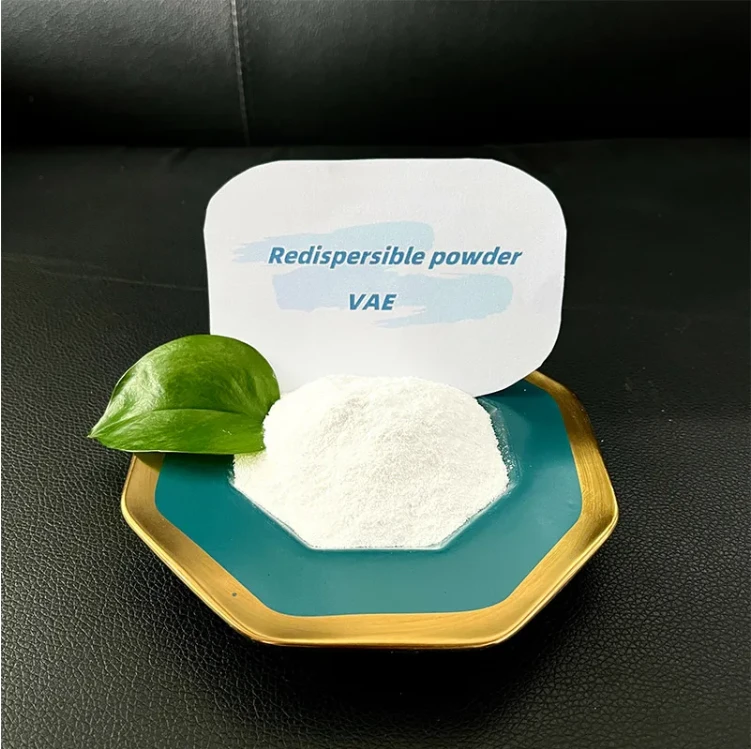
Understanding the Price of Dispersible Polymer Powder Trends and Implications The global market for dispersible polymer powders has seen significant growth over the past few years, driven by various factors including advancements in technology, evolving consumer preferences, and increasing applications across different industries. Dispersible polymer powders are widely used in construction, paints, coatings, adhesives, and even in the cosmetic industry due to their excellent binding properties and ability to create stable emulsions. Understanding the price dynamics of these products is essential for manufacturers, suppliers, and consumers alike. What Are Dispersible Polymer Powders? Dispersible polymer powders are dry powders that can be easily re-dispersed in water to form stable dispersions. They are primarily used to enhance the performance of various formulations in the construction sector, particularly in tile adhesives, mortars, and other construction materials. These polymers improve adhesion, flexibility, and water resistance, making them a vital component in modern construction projects. Factors Influencing the Price of Dispersible Polymer Powder 1. Raw Material Costs The price of dispersible polymer powders is significantly influenced by the cost of raw materials. As oil prices fluctuate, the cost of petroleum-based raw materials can impact production costs for polymer manufacturers. Additionally, the availability of renewable raw materials can also play a crucial role in price determination. . 3. Market Demand The demand for dispersible polymer powders is on the rise due to the increasing construction activities and the growing reliance on high-performance materials. This demand pushes prices upward, especially in regions experiencing rapid urban development. سعر مسحوق البوليمر القابل للتشتت 4. Global Supply Chain Issues Recent global events have highlighted the fragility of supply chains. Disruptions caused by the COVID-19 pandemic, geopolitical tensions, or natural disasters can lead to shortages of raw materials, subsequently increasing prices. These supply chain complexities necessitate careful monitoring and strategic planning by companies involved in the market. 5. Sustainability Trends With an increasing emphasis on sustainability, many companies are investing in producing eco-friendly dispersible polymer powders. While these green alternatives may initially have higher production costs, the long-term benefits and rising consumer demand for sustainable products may justify the higher price point. Current Market Trends As of 2023, the dispersible polymer powder market has experienced moderate growth. Market analysts predict that this trend will continue as developing economies focus on infrastructure development and renovation projects. Moreover, there is a noticeable shift towards higher performance and specialty dispersible polymers, catering to specific applications, which may come at a premium price. Conclusion Understanding the pricing of dispersible polymer powders is crucial for stakeholders across the industry. The interplay of raw material costs, technological advancements, market demand, supply chain dynamics, and sustainability trends shapes the landscape of this market. As the global economy moves forward, it will be important for manufacturers and consumers to remain agile and adapt to these changing trends. For businesses involved in the production or application of dispersible polymer powders, keeping abreast of market trends and pricing dynamics will not only ensure competitiveness but also allow for better strategic planning and investment decisions. Moreover, as sustainability becomes a focal point in various industries, those who invest wisely in eco-friendly alternatives may not only help the environment but also capture a growing segment of environmentally conscious customers.
-
Navigating the world of chemicals , one encounters numerous compounds essential for various industries. Among them, Hydroxypropyl Methylcellulose (HPMC) stands out for its diverse applications and unique properties. This chemical compound has gained recognition for its indispensable role in industries ranging from construction to pharmaceuticals, making it a staple for product formulation experts. Hydroxypropyl Methylcellulose is a non-ionic cellulose ether derivative produced through the modification of cellulose. This modification provides HPMC with a remarkable set of physical properties that make it ideal for multiple applications. These properties include thickening, stabilizing, emulsifying, and forming films, which contribute significantly to improving product performance and quality. In the construction industry, HPMC is revered for its contributions to the formulation of high-quality cement and gypsum-based products. Its water retention capabilities ensure that mortar and plasters remain workable for longer periods, which is crucial in achieving a smooth and durable finish. This characteristic also prevents the premature drying and cracking of building materials, ensuring structural integrity and longevity. The expertise needed to harness the full potential of HPMC in construction relies heavily on understanding its interaction with other additives, which leads to formulas that enhance workability and set times tailored for specific environmental conditions. In the pharmaceutical sector, HPMC is celebrated for its safety and functionality in drug formulations. Its use as a controlled-release agent in tablet formulations ensures that medications are delivered at precise rates, enhancing therapeutic efficacy. The non-toxic and hypoallergenic nature of HPMC makes it an ideal choice for oral and topical pharmaceutical applications. Researchers and pharmaceutical experts trust HPMC for its biodegradability and ability to form gels at varying temperatures, which are essential in designing sustained and targeted drug delivery systems. hpmc chemical The food industry also benefits from HPMC's versatility. It acts as an emulsifier, thickener, and stabilizer in a variety of products, including sauces and dairy alternatives. These functionalities help in achieving the desired texture and consistency, which can greatly affect consumer satisfaction. As consumer demands grow for plant-based and clean-label ingredients, having authoritative knowledge about how HPMC can replace animal-derived thickeners highlights its critical role in food technology advancements. Trust in HPMC’s capabilities is built on years of scientific research and industrial application. Its consistent performance and adaptability in different environments demonstrate its reliability, secured by numerous safety studies and certifications. Manufacturers and product developers looking to leverage HPMC's properties benefit from collaborating with suppliers who prioritize quality and consistency, guaranteeing a dependable supply chain. Professionals seeking to integrate HPMC into their product lines must exhibit not only a solid understanding of its chemical and physical properties but also the foresight in application design that meets industry-specific standards. As demand for better, more sustainable solutions grows, Hydroxypropyl Methylcellulose stands as a testament to chemical engineering excellence — a reliable and versatile solution in an ever-evolving marketplace.
advantages
-

200000 Viscosities
Excellent product
We can produce pure products up to 200,000 viscosities
-

40000 tons
High yield
We don’t stop production all year round, and the annual output can reach 40,000 tons
-

24 hours
Quality service
We provide 24-hours online reception service, welcome to consult at any time
———— Inquiry Form
Schedule A services

-
 modified_starch_types
Oct . 25, 2025
Hydroxypropyl Methylcellulose (HPMC) has emerged as a crucial ingredient in various industries, with -
 extraction_of_cellulose_from_wood
Oct . 25, 2025
Provided by: HeBei ShengShi HongBang Cellulose Technology CO.,LTD. Address: HeBei ShengShi HongBang -
 hydroxypropyl_methylcellulose_in_skin_care
Oct . 25, 2025
High-performance environment-friendly rubber powder has become a game-changer in modern industrial a


